






Story By Omulangira WaakoTonny, Victoria university Kampala.
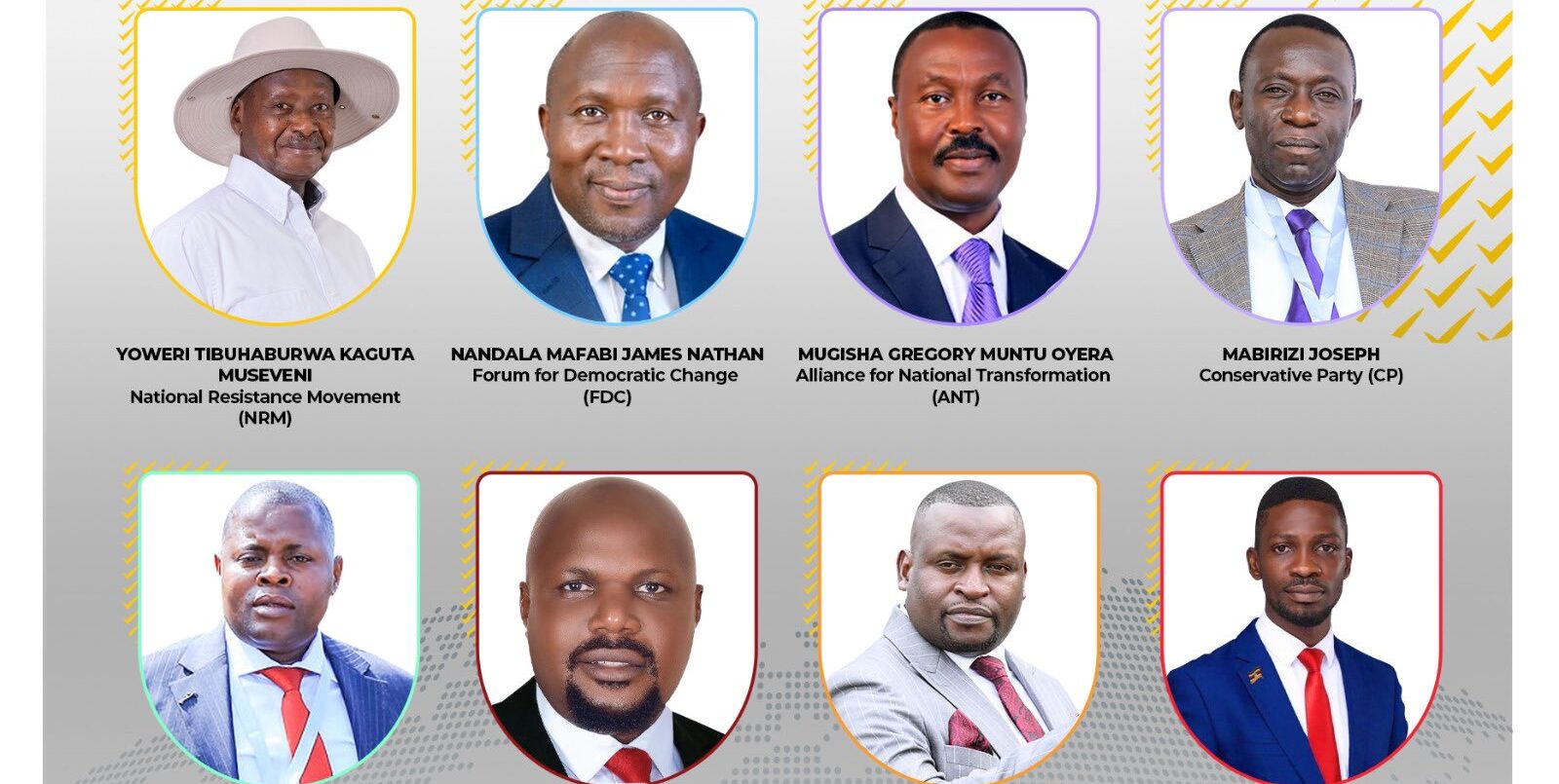
Kampala, Uganda: As Uganda prepares for its 2026 elections, concerns are rising about the growing spread of misleading information online. Experts warn that false narratives could influence public opinion, reduce trust in institutions, and increase social tensions during this politically charged time.
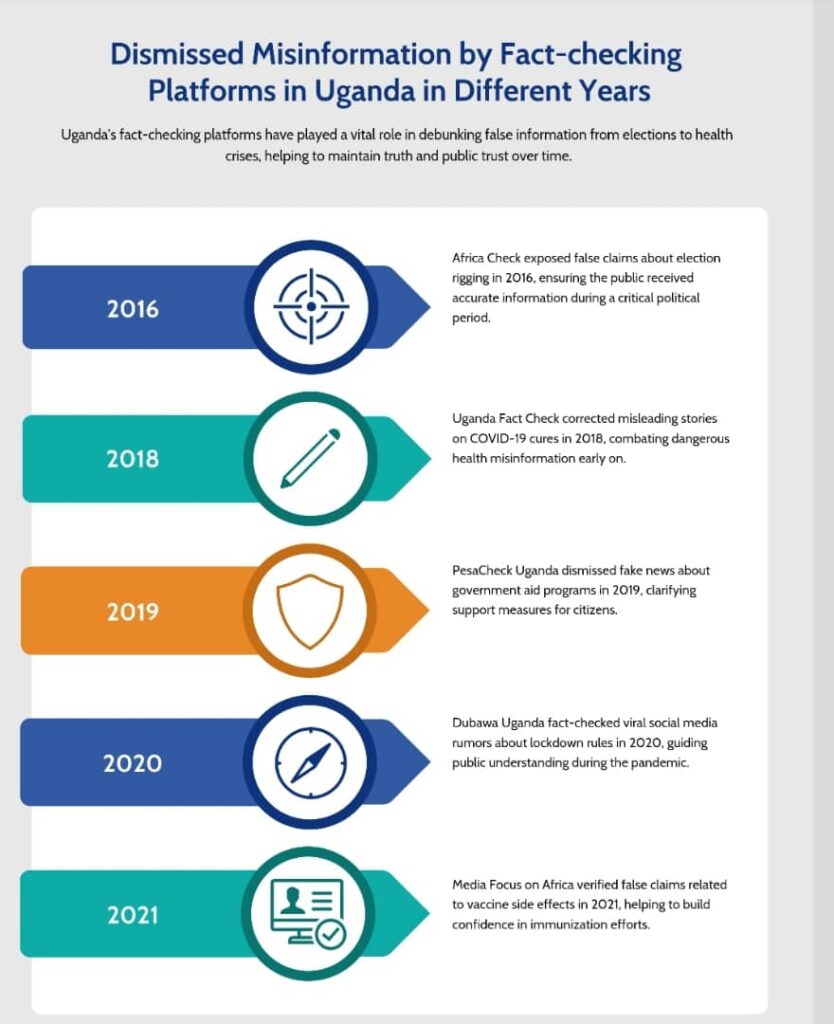
Fact-checking statistics in past years
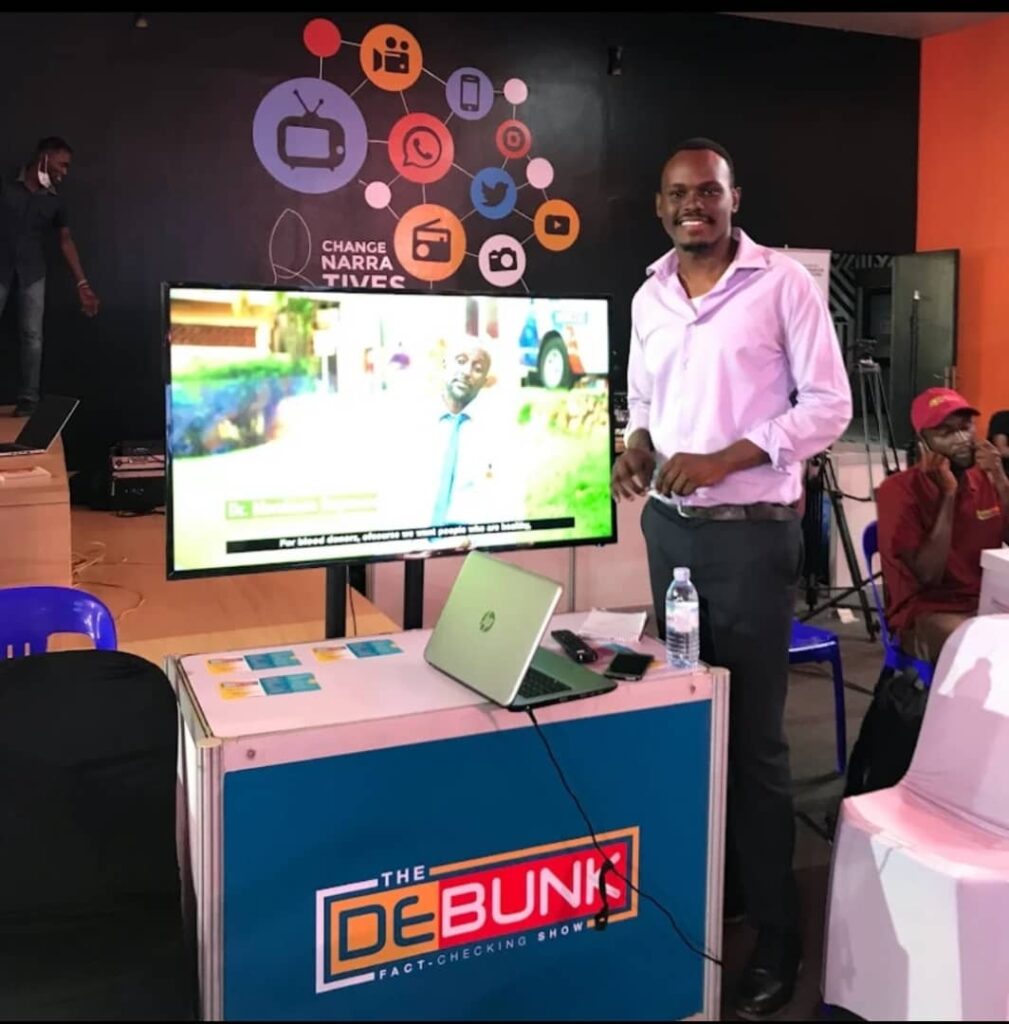
Disinformation has risen alongside Uganda’s expanding digital presence. A large part of the population now relies on social media for news. Platforms like TikTok and YouTube are key sources of information and, importantly, misinformation. The Debunk Media Initiative points out that these platforms can speed up the spread of false claims, making it harder to keep the public correctly informed. The fast pace of online content poses a challenge for journalists, researchers, and authorities trying to fact-check.
A broader regional view highlights the scale of the problem. According to my investigation in recent study shows that 84 percent of Africans turn to social media for news, revealing a continent-wide weakness to misleading narratives. In this context, Uganda’s information environment reflects global trends: social channels are easy to access, social algorithms reward interaction, and verifying claims often lags behind the rapid spread of rumors.
The human cost of misinformation is becoming clearer. False narratives can shape perceptions, influence public opinion, and erode confidence in vital institutions, ranging from electoral bodies to the health system. The Uganda Human Rights Commission has raised concerns about disinformation and hate speech as election season nears, calling for stronger protections to ensure civic space and public safety. Their message resonates with civil society and political actors who see the risks of online rhetoric affecting real-world consequences.
To measure the reach of misinformation, a cybersecurity company, conducted a study in five African countries, including Uganda. It found that about 80 percent of respondents get news from Facebook, while around 50 percent use TikTok. These findings show how deeply social networks are woven into daily life and the significant challenges of countering falsehoods within these platforms. The study also highlights the need for cooperation among multiple stakeholders to implement effective responses.
Efforts to combat disinformation are ramping up, but analysts stress that success will need ongoing coordination and resources. A multi-faceted strategy has emerged as common ground:
Media literacy: Government agencies, educators, and civil society should focus on teaching citizens how to evaluate sources, verify claims, and tell the difference between opinion and fact.
Fact-checking initiatives: Nonprofits and media organizations, including the Debunk Media Initiative and PesaCheck, are crucial in debunking misinformation and providing reliable news to the public.
Regulation and policy: Regulators, along with government and industry partners, must establish practical guidelines to limit the spread of disinformation while also protecting free expression.
Innovative approaches: Fact-checking platforms, ongoing literacy programs, and stronger partnerships with social media companies are repeatedly mentioned as key parts of an effective response.
Beyond traditional measures, stakeholders are looking for flexible strategies that can keep up with new technologies and user behaviors. The role of fact-checking platforms and strong media literacy campaigns remains vital. Collaboration with social media networks is often seen as essential for quick corrections and labeling content, helping reduce the visibility of false claims while allowing genuine discussions.
The Ugandan government has indicated its commitment to transparency and public communication as safeguards against manipulation. However, observers emphasize that maintaining the integrity of the electoral process will require participation from the government, media, civil society, and technology platforms. As the 2026 elections near, vigilance, transparency, and proactive public communication are expected to be critical for maintaining trust in the democratic process.
Interview with the CEO Debunk
“As we approach the 2026 elections, disinformation poses a significant threat to our democracy. False information can spread like wildfire, especially on social media platforms. At Debunk Media Initiative, we’re committed to fact-checking and debunking false claims. We need to sensitize our people about the number of voters in every electoral area to prevent false narratives. We’ve seen features on social media platforms like Facebook that once supported fact-checking, but those are no longer available. As election time draws near, we’ll engage mainstream media to amplify accurate information. We have partners, but we need to educate the masses more to uproot false news from the public. It’s crucial for citizens to critically evaluate information and identify false news. By working together, we can promote a more informed and critically thinking public, better equipped to navigate the challenges of the digital age.“ – Mr Adger Karuhanga, CEO, Debunk Media Initiative.
Key organizations shaping this conversation include Fact-Check Africa and Truth FM, which have become important sources of accurate information and public education during information crises. Their reporting and programming provide essential counterpoints to misinformation, helping audiences identify credible narratives. The involvement of such platforms shows a broader system where professional fact-checking, independent journalism, and civil society efforts work together to uphold information integrity.
In Uganda, commentary from industry leaders and policymakers continues to influence strategy.
“Daniel Lutaaya, CEO of fact-check Africa, has stressed the need for a well rounded approach that combines education, verification, and collaboration with digital platforms. Lutaaya believes that restoring public trust in information requires not just technical solutions but also a cultural shift—encouraging a critical media mindset among users and creating incentives for responsible sharing. His view shows the need for ongoing efforts across sectors to reduce vulnerability to manipulation while respecting the right to free speech.
Public communication strategies will likely focus on clear, accessible messaging about electoral processes, candidate platforms, and policy issues. Government agencies and independent organizations may prioritize transparent voter information campaigns, hotlines for reporting disinformation, and quick responses to debunk false claims as they arise. Additionally, civil society organizations are expected to play a crucial role in outreach, particularly in areas most vulnerable to misinformation and hate speech.
Experts warn that the fight against disinformation is not just a defensive measure but an opportunity to strengthen democratic resilience. By promoting media literacy, supporting credible information channels, and holding online platforms accountable, Uganda can improve its public discourse and navigate the complexities of elections in the digital age. The goal is to empower citizens to make informed choices, engage meaningfully in elections, and maintain social cohesion even amid strong political competition.
As with many societies facing similar challenges, the balance between regulation and protection of civil liberties is delicate. Policymakers must proceed carefully to avoid restricting free expression while putting in place measures to prevent harmful content from spreading. Continued dialogue among regulators, tech companies, journalists, and civil society groups is essential for developing a workable framework that supports both democratic participation and public safety.
The path ahead will require ongoing investment, assessment, and adaptation. Coordinated efforts to promote media literacy, strengthen fact-checking resources, and create trusted information networks are central to the strategy. The Ugandan government, media organizations, civil society, and digital platforms must work together to tackle disinformation head-on. By enhancing resilience against manipulation and ensuring access to accurate information, Uganda can aim for a more informed citizenry capable of handling the challenges of the digital age.
Looking ahead, observers are cautiously optimistic. If stakeholders stay committed to investing in education, strengthening credible information networks, and promoting accountability, Uganda can protect the integrity of its electoral process and maintain public trust. In this environment, the 2026 elections may serve not just as a measure of political preferences but also as a test of the nation’s dedication to truthful and responsible discourse.
Besic takeaways for policymakers, media professionals, and citizens:
The rapid spread of disinformation online urgently requires coordinated action across various sectors.
Media literacy and critical thinking are foundational tools for a resilient information environment.
Fact-checking initiatives and credible news sources play a crucial role in countering false claims. Collaboration with social media platforms is vital for curbing misinformation while protecting free expression.
Ongoing monitoring, transparency, and public communication will be essential as elections approach.
Investigation draws on publicly reported data from the Debunk Media Initiative and statements from the Uganda Human Rights Commission. It incorporates perspectives from Fact-Check Africa and Truth FM, along with viewpoints from Daniel Lutaaya, CEO of News247Ug ,fact-check Africa,Truth FM regarding the roles of education and platform accountability in addressing misinformation.
The changing information landscape in Uganda highlights a universal truth for modern democracies: in an era where information spreads rapidly, robust civic education, credible reporting, and principled leadership are crucial for maintaining healthy public discourse. As Uganda heads towards a significant electoral moment in 2026, the country’s success will depend on its collective ability to promote truth, challenge falsehoods, and create an informed citizenry ready to engage in a peaceful, legitimate democratic process.